Community English Initiative
“Education is the most powerful weapon which you can use to change the world”
- Nelson Mandela
The Challenge
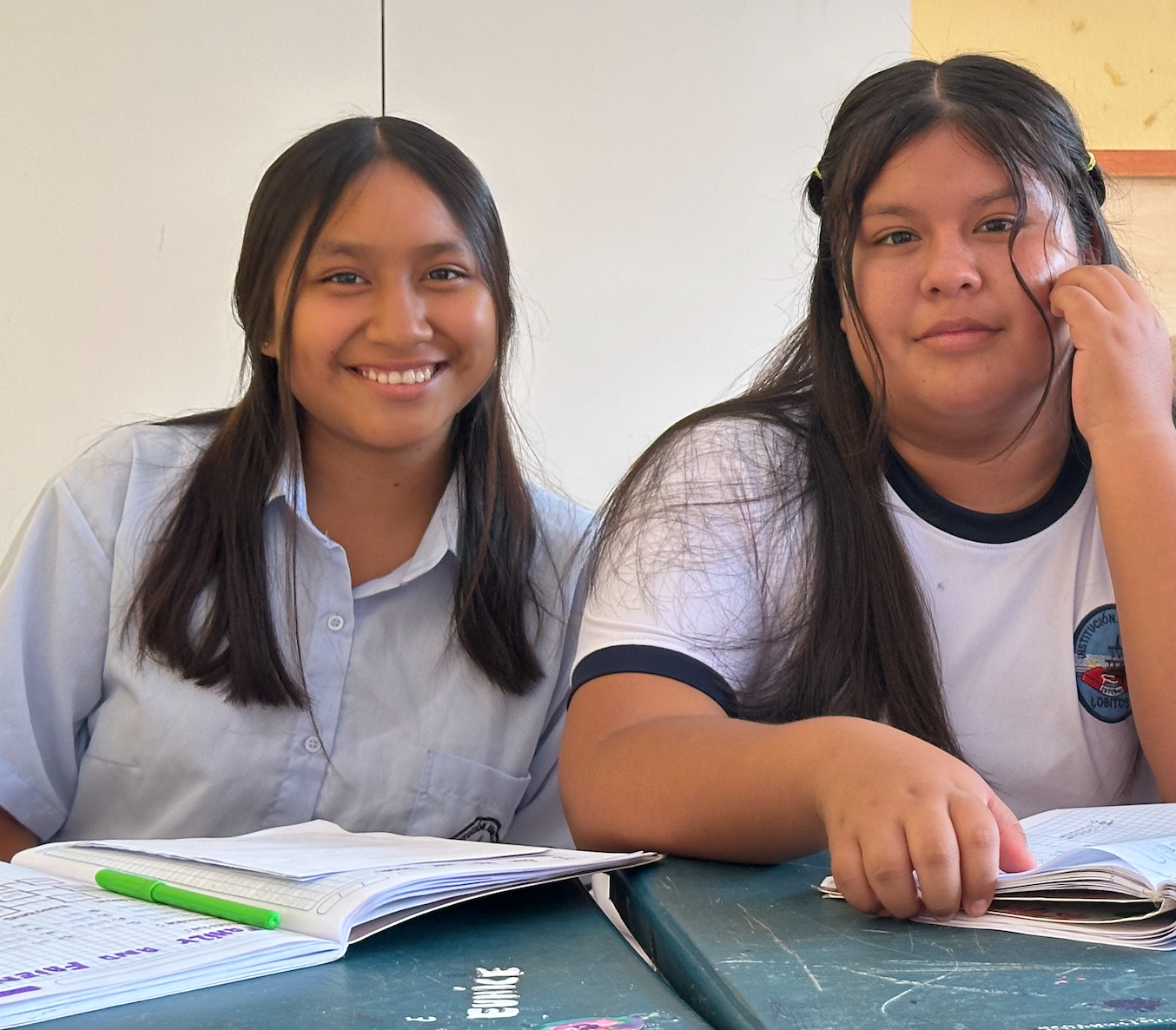
Piura is a beautiful region with a strong sense of community, yet inequities in access to quality education exist. In Lobitos, schools have struggled to provide regular English teaching due to limited resources. EcoSwell is working to reduce the lifecourse effects of children not meeting English language requirements set by the Peruvian government. Strong English skills open doors to higher education for students from socio-economic backgrounds where this is less common. As the world’s most widely spoken second language, English is also a valuable economic tool. As Lobitos welcomes just over 8,500 tourists every year, English therefore helps broaden income opportunities for local people.
The Facts
Local demand: EcoSwell’s qualitative research shows strong local demand for effective English education. During interviews with headteachers, a clear desire to welcome interns passionate about improving students’ conversational English was expressed.
Tourism impact: EcoSwell’s 2019 Surfonomics study found surf tourism contributes approximately US$3.6 million annually to Lobitos’ economy, with 54% of tourists coming from Europe, North America, and Australia (home to English-speaking countries). Strengthening local English skills helps sustain these socio-economic returns.
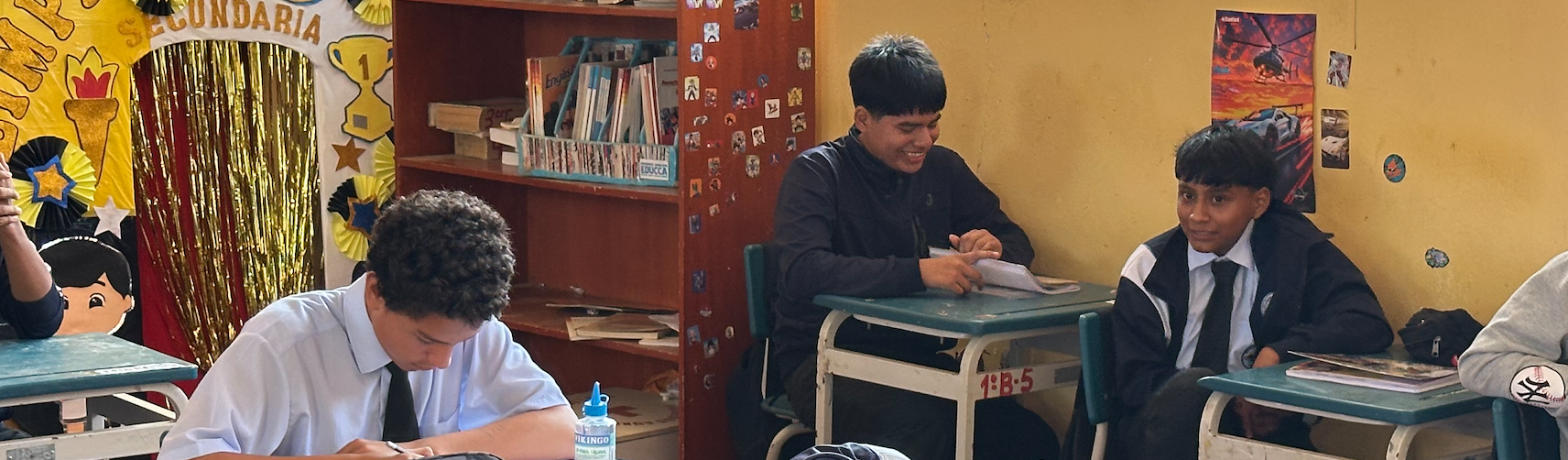
Urban-rural inequity: In Peru, only 28% of rural secondary schools offer regular English lessons, compared to 82% of urban schools. EcoSwell is helping address this gap through engagement with local schools in Lobitos.
Aspiration-opportunity gap: Rural youth in Peru often have high educational aspirations, but structural factors limit their chances of accessing higher education.
Socio-economic divide: Students from the wealthiest quintile are 3.5 times more likely to achieve basic English proficiency than those from the poorest. Research indicates that parents of school-aged children in Peru widely support English inclusion in schools as a way to equalise opportunities and broaden cultural awareness.
The Ministry of Education have laid out the following education priorities:
Improving access to inclusive and high-quality learning, particularly in rural and disadvantaged areas.
Establish an equitable system that empowers communities and individuals to face the challenges of the 21st century.
Improving opportunities for linguistic development across the education system.
Potential Solutions
EcoSwell is determined to contribute to linguistic & cultural development in northern Peru through:
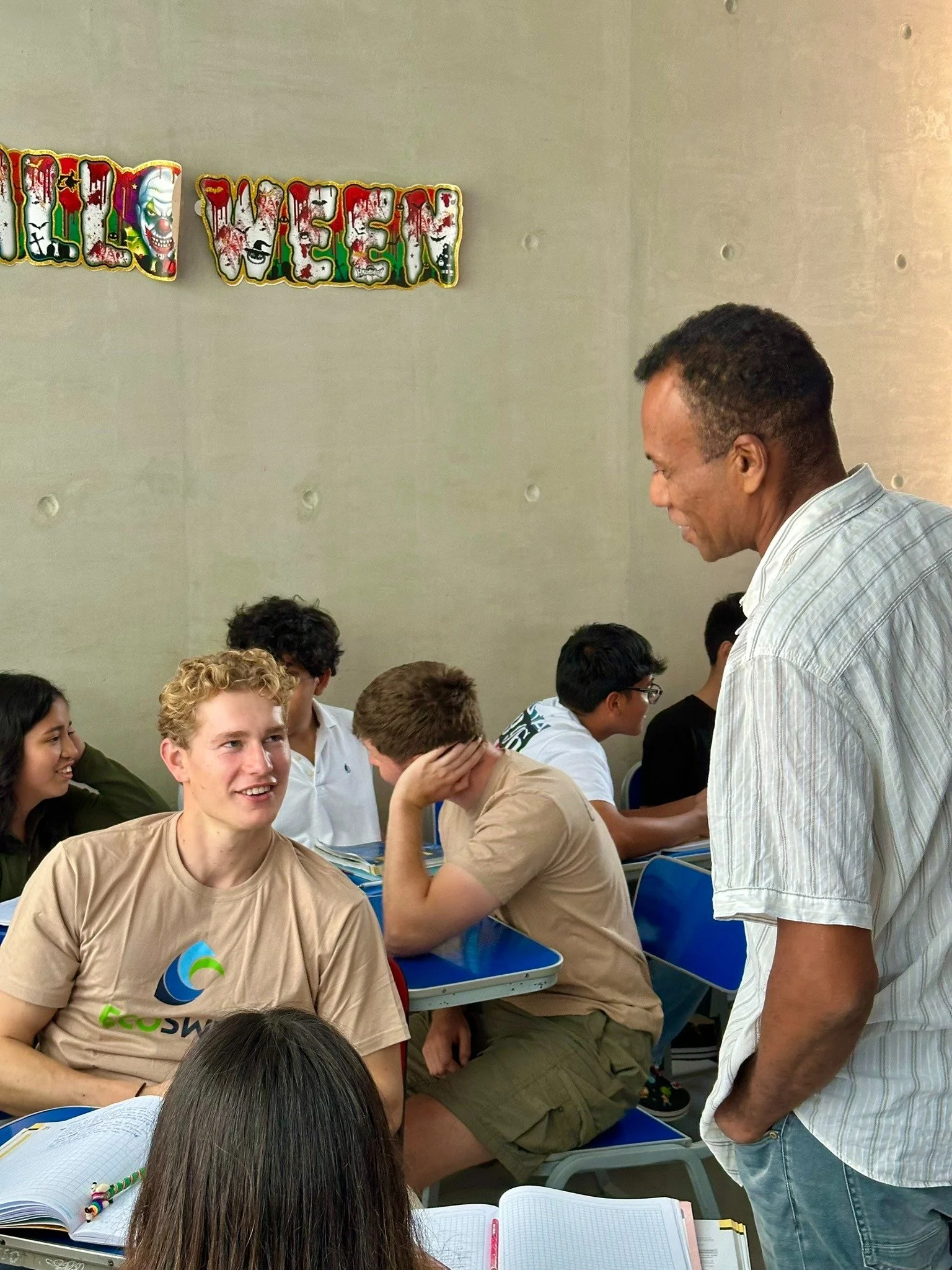
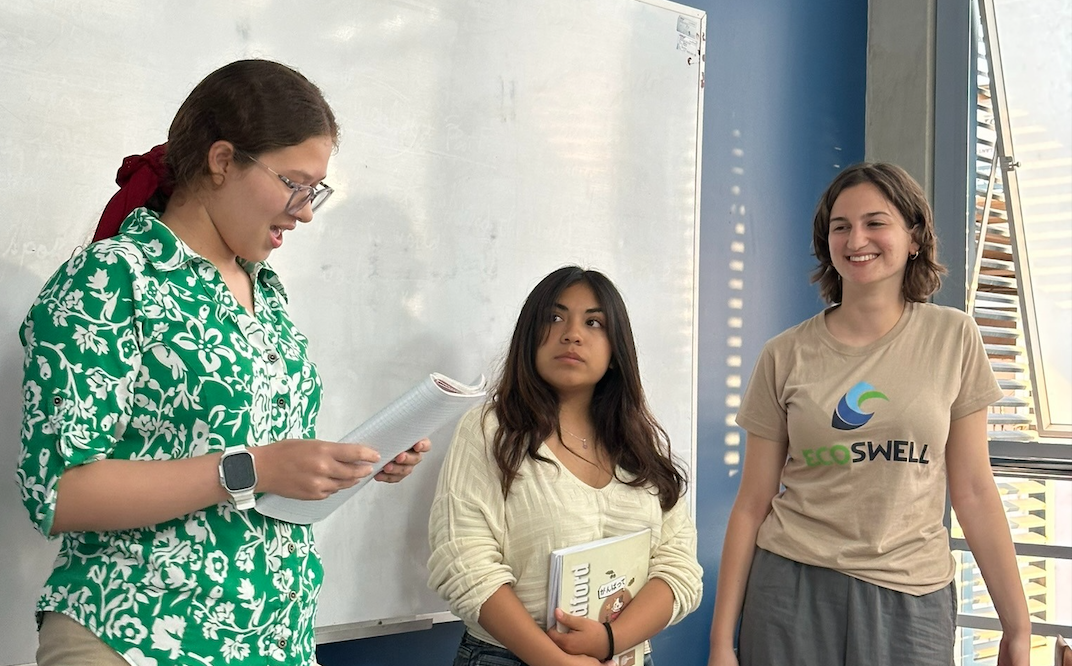
Providing English lessons at the Lobitos school, led by passionate volunteers receiving teaching education from experienced local professionals.
Giving volunteers opportunities to immerse themselves in Lobitos’ rich ways of living, to foster personal cultural growth. Activities include surfing, live music, karaoke, and yoga, which also encourage linguistic exchange.
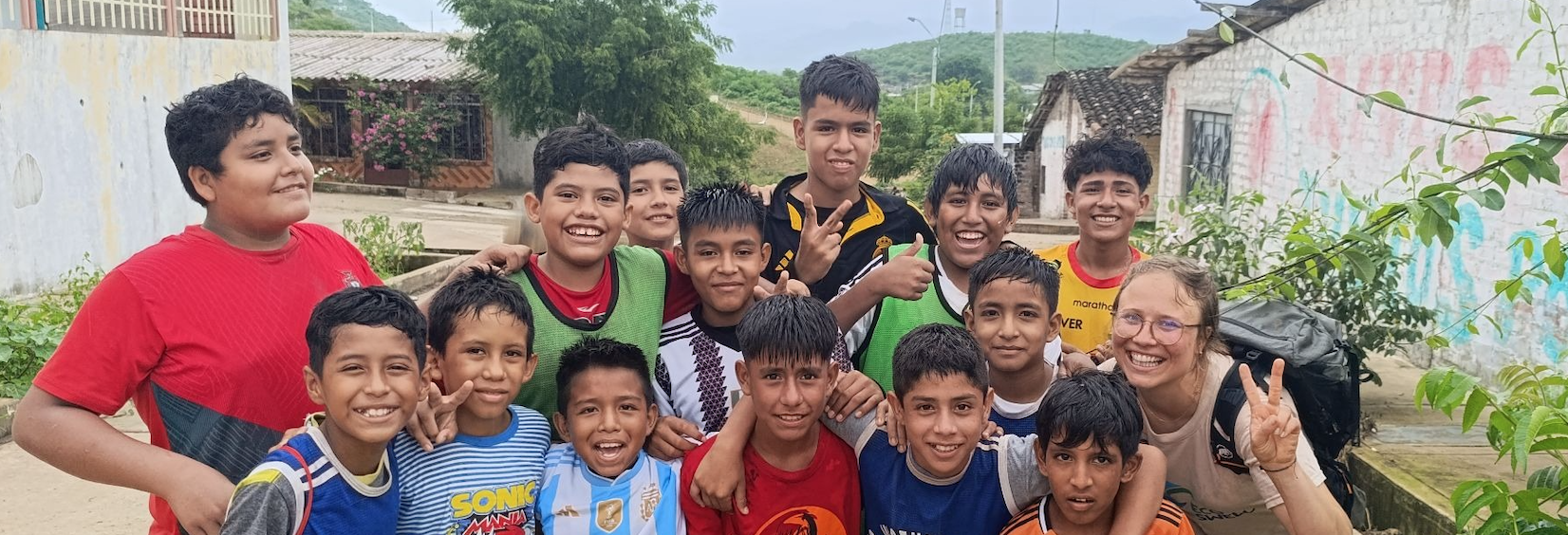
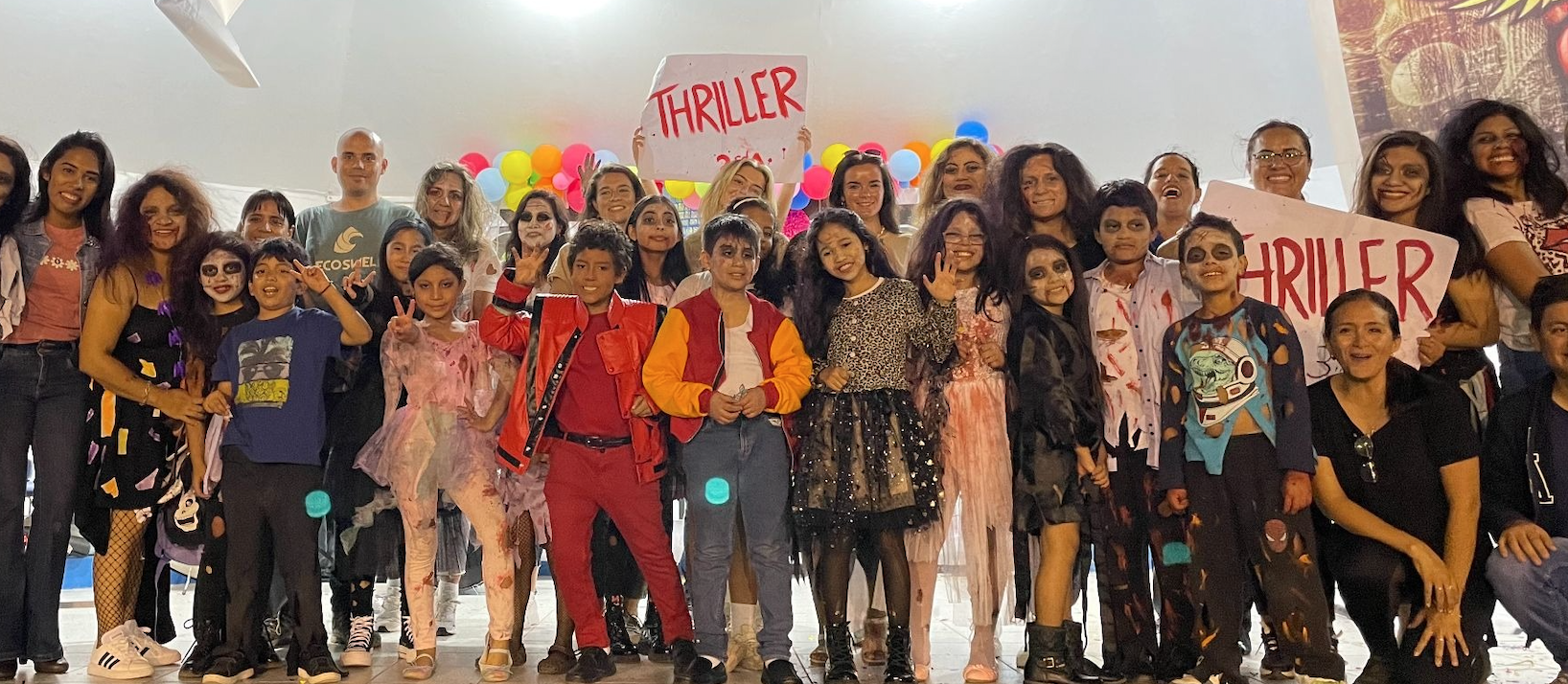
Providing young people with the chance to practice spoken English in an afterschool setting, through sports activities with EcoSwell’s education interns. Volunteers are also encouraged to design their own initiatives that promote cultural exchange beyond the classroom.
Establishing conversational English workshops to empower locals to effectively communicate with tourists. This builds confidence at both the individual and community scale, supporting economic growth.
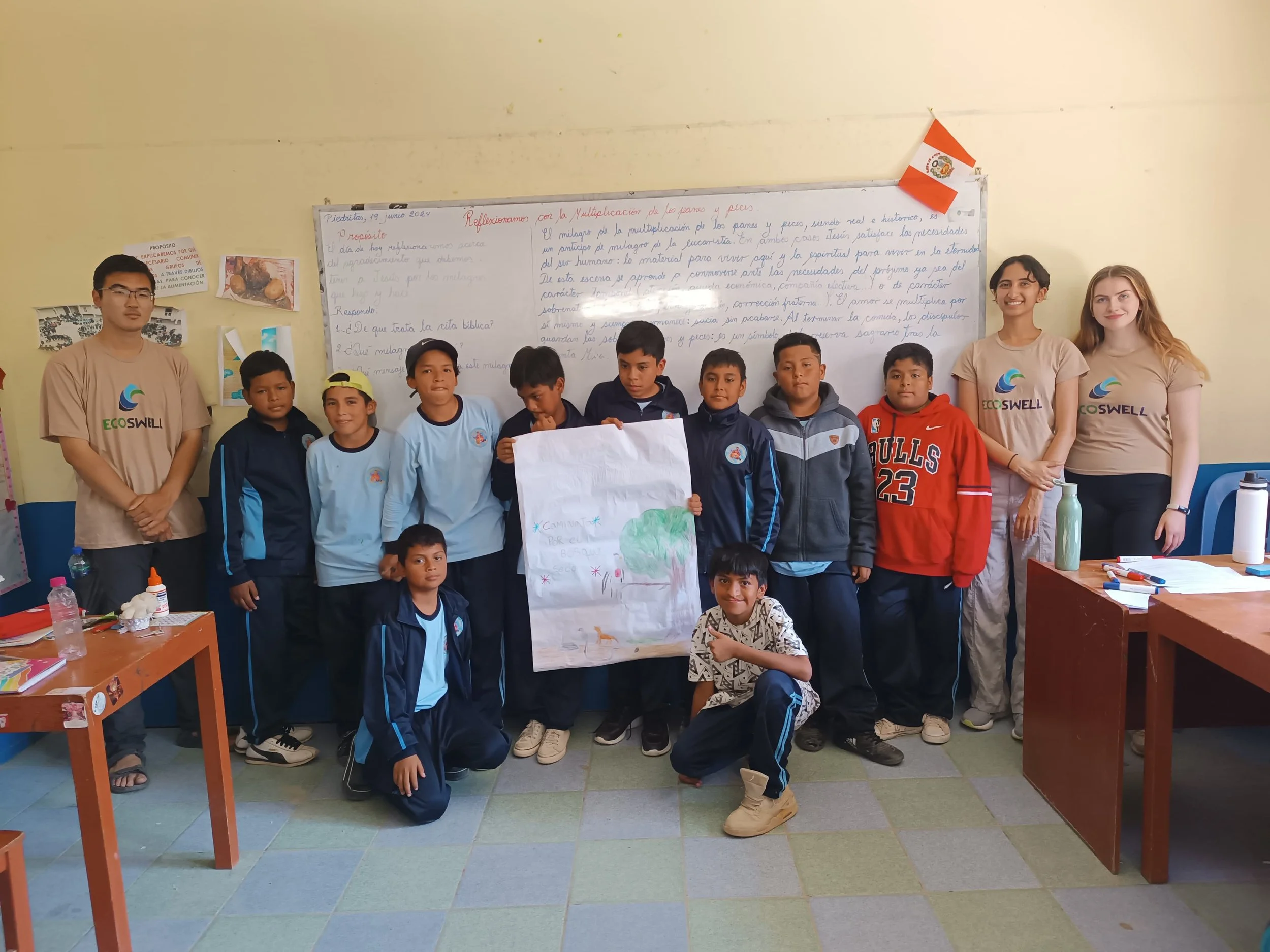
Our Initiatives
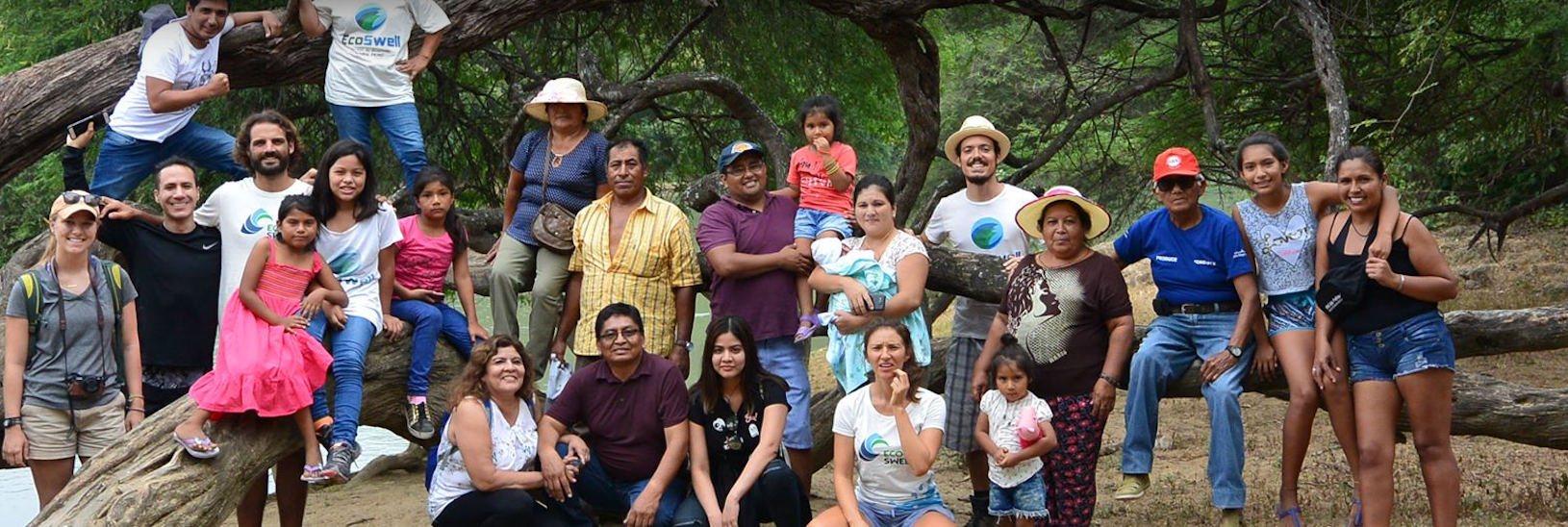
As part of this new project, EcoSwell is creating opportunities for volunteers to deliver English lessons in local schools, supported by experienced local practitioners and our dedicated team. Since our inception, we have worked closely with schools to advance national environmental priorities, including reforestation & renewable energy development. Aligning with our engagement with several education institutes, this project builds on ongoing initiatives delivering social, economic & environmental sustainability for young people:
Energy Education: EcoSwell delivers renewable energy-focused teacher training and provides an online platform of renewable energy teaching methodologies, covering 5,090 students. We are also rolling out our Energy in Schools Programme across 4 schools in Talara, incorporating classes on energy systems into their curriculums - increasing young people’s understanding of sustainable energy futures in Peru.
PV System School Project in Talara: In 2025, EcoSwell launched a PV installation project assessing the most appropriate renewable energy solutions for 4 schools in Talara, covering 7,242 pupils.
Localised Research: EcoSwell has taken an active role in understanding where progress still needs to be made in the realisation of all Sustainable Development Goals in our operating areas. Coordinators and volunteers have engaged with local school practitioners and pupils to see where progress can be made on equalising access to quality education. Resoundingly, teachers expressed the need for better English education.
EcoSwell has a duty to act on our research, to offer young people in the communities it serves a holistic curriculum, to improve their confidence and resilience stepping into future economies, be it at the local or global scale.
References
British Council Peru (2017) English Teaching in the Early Years: Research in Peru Report https://www.britishcouncil.pe/sites/default/files/informe_nile_english-fg.pdf
Bosquetti, M A., Pizarro, A., Taboga, M., Lang, E. & Hodges, T. (2020) Surfonomics Lobitos, Peru: the economic impact of surf tourism on the local economy. Florianópolis: UFSC https://www.savethewaves.org/wp-content/uploads/2021/02/Surfonomics-Lobitos-2020-eBook.pdf
Peru Indicators of Education (2025) Peru: Indicators of Education according to Departments, 2014-2024 https://www.gob.pe/en/institucion/inei/informes-publicaciones/7020268-peru-indicators-of-education-according-to-departments-2014-2024
Gabriela Guerrero, Claudia Sugimaru, Alexandra Cussianovich, Bieke De Fraine and Santiago Cueto (2016) Education Aspirations among Young People in Peru and their Perceptions of Barriers to Higher Education https://www.grade.org.pe/wp-content/uploads/YL_WP148-Guerero_Education-aspirations-in-Peru.pdf
World Bank Education Statistics (2026) https://datatopics.worldbank.org/education/
Ministerio de Educación Peru (2026) Ministerio de Educación, Peru MINEDU https://www.unirank.org/pe/org/ministerio-de-educacion-peru/